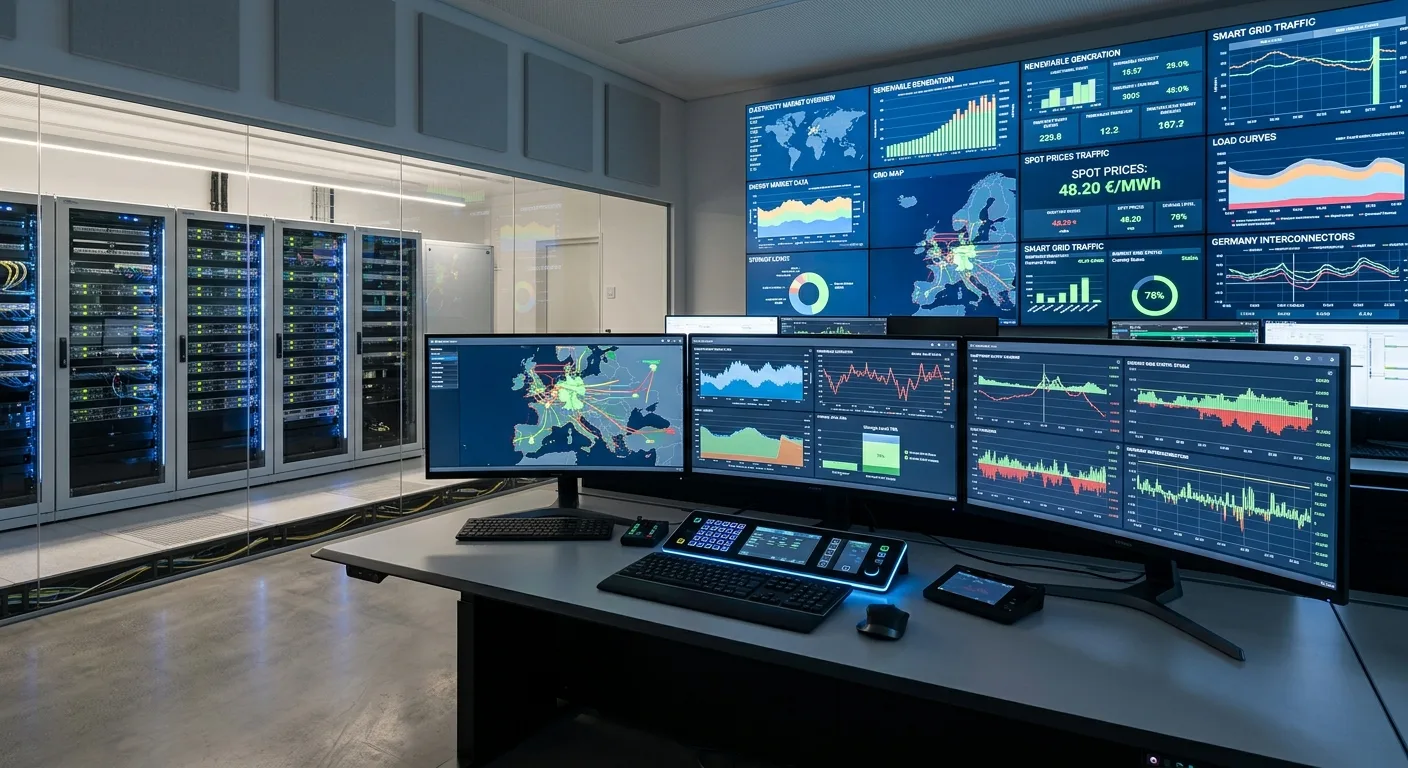
Evolution of Digital Energy Trading in Canada
Canada's energy sector has seen a gradual but steady shift towards digitalization, driven by the need for greater efficiency and integration of diverse energy sources. Historically, energy trading relied on conventional methods, but the advent of digital platforms has introduced new capabilities.
This evolution is particularly evident in the increasing adoption of real-time data analytics and automated trading systems, which allow for more dynamic market participation and optimized resource allocation across provinces.
Key Features and Technologies of Leading Platforms
Leading digital energy trading platforms often incorporate advanced features such as AI-driven forecasting, blockchain for secure transactions, and smart contract capabilities. These technologies enable precise matching of supply and demand, reducing waste and improving grid stability.
Platforms vary significantly in their architecture, from centralized exchange models to decentralized peer-to-peer systems, each offering distinct advantages depending on the specific trading needs and regulatory environment of the Canadian market.
Digital energy trading platforms are not merely tools; they are the new arteries of a modernized, resilient Canadian energy ecosystem.
Regulatory Hurdles and Market Access Challenges
Navigating the regulatory landscape is a significant challenge for Canadian innovators entering the digital energy trading space. Provincial and federal regulations, varying market rules, and data privacy concerns require careful consideration before platform implementation.
Ensuring interoperability with existing grid infrastructure and compliance with evolving energy policies are critical for gaining market access and fostering widespread adoption of new trading technologies in Canada.
Strategic Selection for Different Canadian Market Players
The optimal digital energy trading platform depends heavily on the specific needs of Canadian market players, whether they are large utilities, independent power producers, or prosumers. Utilities might prioritize robust, scalable systems with advanced grid management features.
Prosumers and smaller generators, conversely, may benefit more from user-friendly, decentralized platforms that simplify participation in local energy markets and offer transparent pricing mechanisms.